About Kalbarri — Where the Outback Meets the Ocean
Discover the story behind Kalbarri, Western Australia — a coastal town where outback meets ocean. Written by locals with 30 years calling it home.
Everything you need to know about Kalbarri, Western Australia — its history, its people, and what makes it worth the trip. You’re driving in along the Ajana-Kalbarri Road, the landscape flat and red and endless, and then suddenly the Murchison River appears below you, the town unfolds along its banks, and the Indian Ocean stretches out beyond it in a blue that doesn’t quite seem real.
That moment is why we’ve stayed.
We’ve lived and worked in Kalbarri’s tourism industry for over 30 years, and we still get that same feeling every time we come back from a trip away. This is a town that gets under your skin — not because of any one spectacular thing, but because of everything together. The light. The pace. The way a stranger at the bakery becomes a familiar face by your second morning.
This page is our attempt to explain why.
A Town Built Where Two Worlds Meet
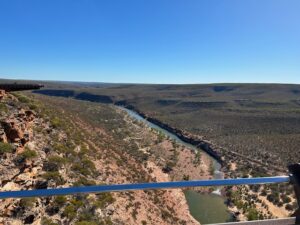
Kalbarri sits at the point where the Murchison River — one of Western Australia’s great inland waterways — finally reaches the sea after winding nearly 800 kilometres from the goldfields region. On one side of town, the river is calm, sheltered, and silver in the early morning light. On the other, the Indian Ocean crashes into towering red sandstone cliffs that have been carved by wind and water for over 400 million years.
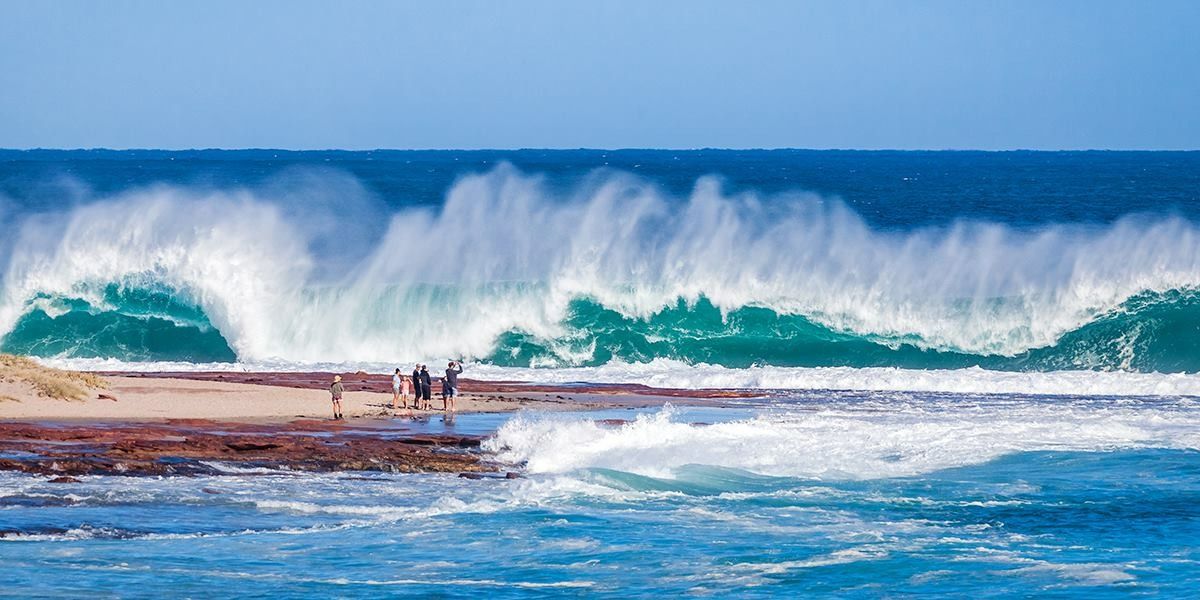
That contrast — outback meets ocean, ancient gorge country meets endless coastline — is what makes Kalbarri genuinely unlike anywhere else on Australia’s west coast. You can spend your morning hiking through 400-million-year-old gorge country and your afternoon swimming in the Indian Ocean, all without getting back in the car more than once.
It’s this rare combination that makes writing about Kalbarri so easy — there’s always a new angle, a new season, a new reason to fall for this place all over again.
A Brief History of Kalbarri
Long before Kalbarri became a holiday town, this land was home to the Nanda people, the traditional custodians of the region, whose connection to this country stretches back tens of thousands of years. Many of the landmarks now famous among visitors — the Bigurda Trail among them — carry names drawn from Nanda language and culture, a living link to the area’s First Nations heritage.
European history in the region dates back to 1629, when survivors of the Dutch ship Batavia are believed to have been the first Europeans to set foot on this stretch of coastline — among the earliest recorded European contact with Australian shores. The town itself developed much later, growing through fishing, pastoral farming at stations like Murchison House, and eventually tourism as word spread about the extraordinary landscape hiding at the end of the road.
Today Kalbarri is home to a small, tight-knit community of around 1,500 permanent residents — a number that swells considerably during peak holiday season as visitors discover what we’ve known for decades.
What Makes Kalbarri Different
We’re often asked how Kalbarri compares to other Western Australian coastal towns. Here’s our honest answer: nowhere else packs this much variety into one place.
The landscape does double duty. Most coastal towns give you the coast. Kalbarri gives you ancient red gorge country and dramatic ocean cliffs within the same half-hour drive — see our full attractions guide → for the complete list of what’s on offer.
It’s still genuinely local. Kalbarri hasn’t been swallowed by big resort chains or franchise development. The cafés are run by people who live here. The tour operators are locals who grew up exploring these gorges. That authenticity is increasingly rare on Australia’s coastline.
The pace is real. This isn’t a manufactured “slow down and relax” marketing line — Kalbarri is genuinely a small town where nobody is in a hurry, and visitors find themselves adjusting to that rhythm within a day or two of arriving.
It rewards every kind of traveller. Families, grey nomads, honeymooners, fishing fanatics, hardcore hikers, and people who just want to do absolutely nothing on a beach — Kalbarri has a version of itself for every one of them.
Kalbarri Through the Seasons
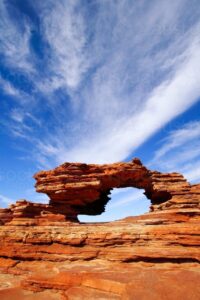
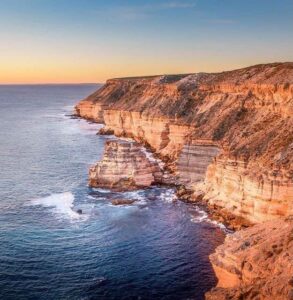
Autumn and Winter (April–September) — Whale watching season along the coastal cliffs, mild and comfortable hiking conditions, and the peak grey nomad travel season as visitors escape the southern cold.
Spring (August–October) — Wildflower season transforms the landscape into one of the most spectacular natural displays in Australia, with over 1,000 unique wildflower species blooming across the national park.
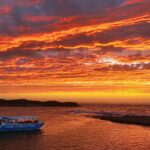
Summer (December–March) — Hot, quiet, and beautiful in its own way — warm evenings perfect for river activities, fewer crowds, and the kind of long, golden Kalbarri sunsets that make the heat worth it.
Whenever you choose to visit, Kalbarri has something worth the trip. For more planning help, see our Perth to Kalbarri road trip guide →
Who We Are
Kalbarri.com is run by locals — not a corporate travel network, not an algorithm, not an agency based hundreds of kilometres away. We’ve spent over 30 years working in Kalbarri’s accommodation and tourism industry, and every recommendation on this site comes from genuine, lived local knowledge. We wrote this About Kalbarri page because no one else was telling the real story — not a marketing version, the actual one.
We built this site because we believe Kalbarri deserves a travel guide as good as the destination itself — accurate, current, written by people who actually know the difference between one holiday home and another, one tour operator and another, one café and another.
When you use kalbarri.com to plan your trip, you’re getting three decades of local insight, not a generic template stretched across a thousand other towns.
Frequently Asked Questions — About Kalbarri
Here’s what people most want to know about Kalbarri before they visit — answered honestly from three decades of calling it home
Is Kalbarri worth visiting?
Absolutely. Kalbarri combines dramatic ancient gorge country, spectacular coastal cliffs, excellent dining, a relaxed small-town atmosphere, and some of Western Australia’s best wildlife encounters — all within one compact, easy-to-explore town. It’s consistently rated one of WA’s top nature destinations.
How far is Kalbarri from Perth?

Kalbarri is approximately 590km north of Perth, around a 6-hour drive via the Brand Highway. Most visitors break the journey at Geraldton, roughly 150km south of Kalbarri.
What is Kalbarri known for?
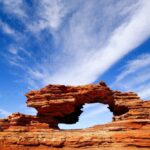
Kalbarri is best known for Kalbarri National Park, the Kalbarri Skywalk, Nature’s Window, dramatic red coastal cliffs, the Murchison River, daily pelican feeding, and spectacular spring wildflower displays.
How many people live in Kalbarri?
Kalbarri has a permanent population of approximately 1,500 residents, growing significantly during peak holiday periods, particularly over the July to October wildflower and grey nomad season.
What is the traditional history of the Kalbarri area?
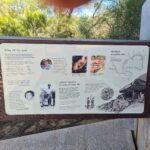
The Kalbarri region is the traditional land of the Nanda people, whose connection to this country spans tens of thousands of years. European contact with the area dates back to 1629, when survivors of the Dutch ship Batavia are believed to have reached this stretch of coastline.
Thirty years in Kalbarri — and we still love it here.
We’re not interested in generic travel content. Everything on kalbarri.com comes from genuine local experience, built over three decades of living, working, and exploring this extraordinary part of Western Australia.
That’s the real story about Kalbarri — straight from the people who live it every day.
Explore Kalbarri Attractions → | Plan Your Stay → | Contact Us →